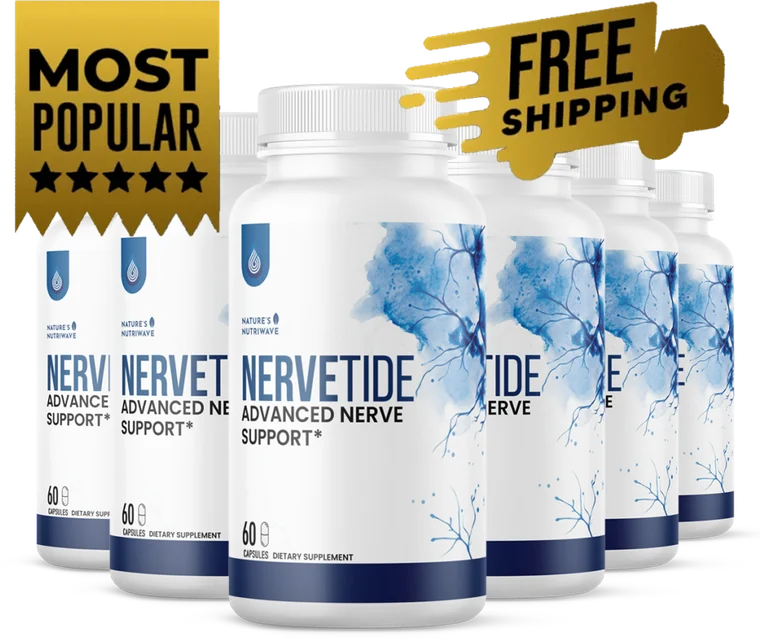
Alpha Lipoic Acid And Nerve Signaling: What The Evidence Shows
Alpha Lipoic Acid (ALA) is a naturally occurring antioxidant with one of the more substantial research bases among ingredients specifically studied for nerve function.
It is arguably the single best-evidenced ingredient in a formula like NerveTide's, though its research is strongest in specific, often diabetes-related contexts.
Why ALA draws specific research interest for nerves
Unlike many general antioxidants studied broadly across health categories, Alpha Lipoic Acid has drawn specific, sustained research interest in nerve function, partly because it is both water- and fat-soluble, allowing it to work throughout nerve tissue in ways many other antioxidants cannot.
What the research generally measures
Clinical studies on ALA and nerve function have often focused on measures relevant to diabetic peripheral neuropathy specifically, including nerve conduction velocity and symptom scores for tingling, numbness and burning sensations. Research context is available on PubMed.
Being precise about the research context
What the research does not support
Alpha Lipoic Acid is not a treatment for diagnosed peripheral neuropathy on its own, and it does not reverse existing nerve damage. Research generally shows a supportive role for symptom comfort in specific studied populations, not a cure.
Applying this to NerveTide
Alpha Lipoic Acid is one of the better-evidenced ingredients in NerveTide's formula, included for its general association with nerve signaling and antioxidant support. As with the rest of the formula, the exact amount per capsule is not disclosed.